

The Supreme Court’s Neglected Power Grab: Immigration
Chevron U.S.A Inc. v. Natural Resources Defense Council. Inc. (1984) has been a framework of review applied by the courts toward the practices of administrative agencies for nearly four decades. What has this doctrine come to mean? Why do some argue that overturning it represents another Supreme Court power grab, and how can the Court’s recent treatment of it compare to its treatment of immigration deference?

Juvenile Justice in the United States: A Historical Analysis
Adolescence is the most impressionable period of human life where an emphasis is placed on providing children with guidance and strong values to become law-abiding citizens. However, not all children are afforded the privilege of having strong leaders and mentors, which significantly contributes to delinquent behaviors. Combined with trauma, neglect, and other social factors that increase opportunities for delinquent behavior, it is easy for children to fall into the criminal justice system.

Razor Dividing the Nation: The Texas Border Crisis
“Come and take it!” is a historic Texan battle slogan that remains a symbol of defiance in contemporary times. Due to the recent border issues between Texas and the federal government, there have been flags with this slogan lining the US-Mexico border. In 2021, Greg Abbott, the Governor of Texas, ordered razor wire to be placed along the US-Mexico border, but recently, these orders have caused chaos and division in the United States.

Anti-Homelessness Policies on the Supreme Court’s Doorstep: Will the Court's Decision Make Room for Everybody?
In the 2024 election year, affordability has climbed its way to the top of American voters’ political priorities. With inflation impacting the prices of everyday goods, coupled with the expiration of COVID-19 era financial relief programs, it is no question that the burden of cost is affecting Americans’ livelihoods, posing a serious threat to housing stability.

Kangaroo Court
Forty years and ten months ago, the Executive Office for Immigration Review (EOIR) was created by the U.S. Department of Justice. The immigration courts under the EOIR have the task of adjudicating the cases of detained individuals in the United States facing removal or deportation proceedings and ultimately decide whether or not an individual should be allowed to stay in the United States. Last year, a piece of legislation was introduced to the U.S. House of Representatives and it sought the establishment of U.S immigration courts independent from the Department of Justice.

International Humanitarian Law: The Case of Nagorno-Karabakh
Ten days after the launch of the "anti-terrorist operation," Armenia submitted a request for an “indication of provisional measures, ‘to preserve and protect rights enshrined in the International Convention on the Elimination of All Forms of Racial Discrimination (‘CERD’).” In reference to 1993 United Nations Resolutions, the Geneva Conventions, and the pending ICJ court decision, this article will look at applications of international humanitarian law.

Beyond Bars: A New Era of Criminal Justice Reform
Criminal justice reform is a long-standing, worldwide effort aiming to end harsh policies and racial inequities present in criminal justice systems. It is a multi-faceted fight for equality, aimed at reducing tools of discrimination that severely prejudice individuals who fall into low-income and/or minority groups by enhancing their ability to return to their community, build support networks, and increase employment opportunities.
#HotLaborSummer: The Right to Strike and the Supreme Court’s Recent Challenge to Organized Labor
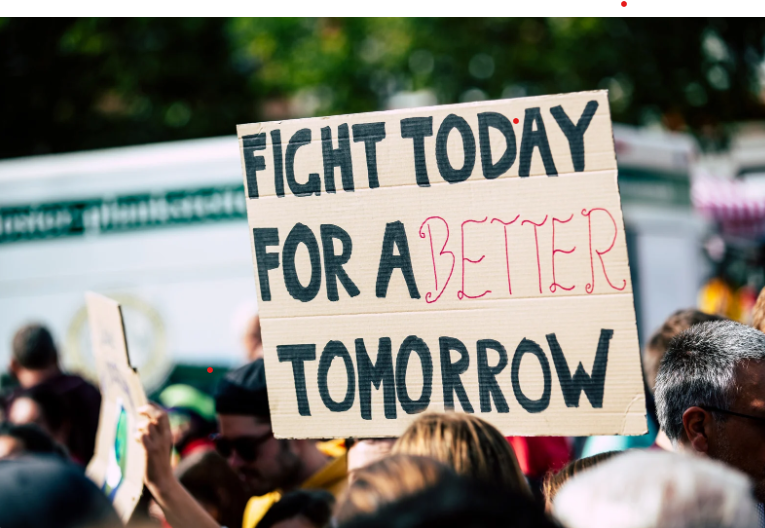
While many Americans are quick to adjust to the pace of societal advancement, the American workforce is not as prompt in adapting to society’s myriad of changes. Rapid technological advancements, coupled with the growing wage disparity between employers and employees, have sprouted issues that continue to plague the workforce. However, in attempts for these issues to be remediated, workers have left the workplace doors and found their way into the picket lines and are leaving demands atop many CEO’s desks, as workers have collectively organized to demand change. This past summer, organized labor has reclaimed its spot at the forefront of the American Agenda. Many labor unions, from the United Auto Workers to the Writers’ Guild of America, have gathered their members together in a fight for a fair workplace. However, amidst the many strikes that erupted over the summer of 2023, the Supreme Court decided on a case that holds the potential to upend organized labor, and erode the right to strike.
Stopping “Woke” Culture at the Expense of Free Speech
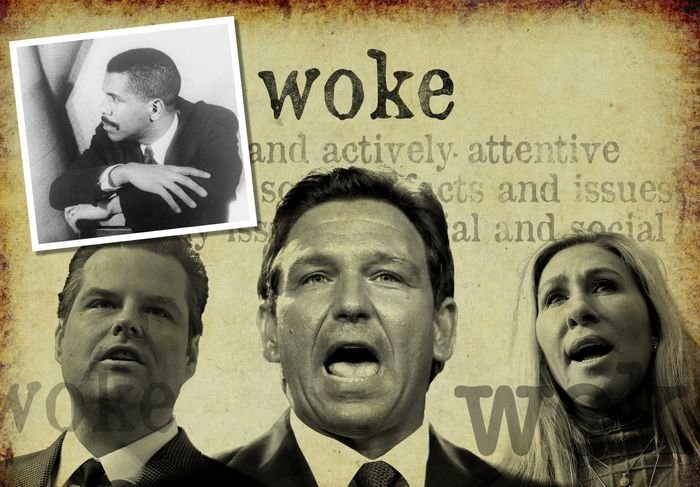
As the 2024 election cycle ramps up, one of the main Republican contenders, Florida Governor Ron DeSantis, has waged a war on “woke” culture. Parts of “woke” culture that have been scrutinized are feminist studies, gender and sexuality studies, and black and african american studies. In June 2021, the Board of Education in Florida banned Critical Race Theory, putting it in the same category as the Holocaust for being “theories that distort historical events.” In March 2022, the Florida legislature passed the Don’t Say Gay Bill. In January 2023, the AP course on African and American studies was banned in Florida high schools.
In April 2022, the Individual Freedom Act, also nicknamed Stop Wrongs to Our Kids and Employees (WOKE) Act, was signed by DeSantis. With this act, any instruction that makes certain parties feel “personal responsibility” for historic events is illegal for businesses and teachers. The most widely advertised component of the Stop WOKE Act is its alleged ability to eliminate the teaching of Critical Race Theory (CRT) in K-12 education and corporate employee training programs in the state of Florida.