

You Have The Right To Remain Silent! Or Do You?
Recently, the Supreme Court has been highlighted in the news, as related to the overturning of Roe v. Wade (1973). Since this has been more prominent in the media, another legal case has fallen through the cracks—despite its severe implications regarding the 5th and 6th amendment rights. Vega v. Tekoh (2022) ruled that police are not liable in civil court if they fail to read someone’s Miranda warnings. The Miranda warnings were first established in Miranda v. Arizona (1966), which required police to read a set of statements after an individual was arrested. These statements are as follows: “You have the right to remain silent. Anything you say can and will be used against you in a court of law. You have the right to an attorney. If you cannot afford an attorney, one will be provided to you. Do you understand the rights that I have just read to you? With these rights in mind, do you wish to speak to me?”.The main disagreement in Vega was whether or not these Miranda warnings are constitutional rights, but answering this question requires in-depth knowledge of Miranda to understand the reasoning for the creation of the Miranda warnings in the first place…

The Supreme Court’s Declining Legitimacy Amidst Controversial Decisions
The Supreme Court of the United States, the “highest court in the land,” is the only branch of the American government that consists entirely of unelected officials. Ironically, the institution that is most responsible for protecting and ensuring justice is, by definition, the least democratic of them all. However, its impact is among the most far-reaching, as it has the ability to make decisions over almost every aspect of American life—from social issues, to elections, to the impeachment of the President. After the 1803 Marbury v. Madison decision, the Supreme Court was able to exercise the ability to strike down any law that it deems unconstitutional, which further expanded its power and ability to check the other branches of government. Today, the Supreme Court consists of six conservative justices and three liberals. Liberal presidents have won the popular vote for nearly the past two decades, yet are the minority on the Court, which exemplifies how distanced it can be from American elections and the public. The Court’s changing dynamic has led to the Supreme Court rolling out a variety of controversial decisions in 2022 that have prompted backlash from both Democrats and Republicans alike…

Is Starbucks in the Espress(o) Lane to Violating Labor Laws?
Across the United States, the influence of unions and labor movements has been spreading. Unions are organizations of employees separate from their corporations that aim to balance the power between employees and employers through negotiations on wages, schedules, working conditions, and contracts. Unions started forming in the mid 1800s as a response to the Industrial Revolution and fought for safe working conditions, overtime pay, a ban on child labor, and a reduction in work hours from 100 hours per week to the 40 hours per week. They were widespread across America, as the union membership rate peaked in 1954 with 35% of all employees belonging to a union. However, union membership has dropped sharply since, with the rate in America in 2020 at 10.8%. As workers return to the workplace, though, the rise of unions and workers campaigning for rights have been swarming headlines. So, why is there such a boom in the demand for unions in America now? The pandemic. For many employees, lockdown served as relief from the continuous monotonous shuffle of work, and employees are eager to bring some of that peace into their workplace. Going into lockdown has allowed employees to reevaluate their working environment, including America’s beloved Starbucks baristas…
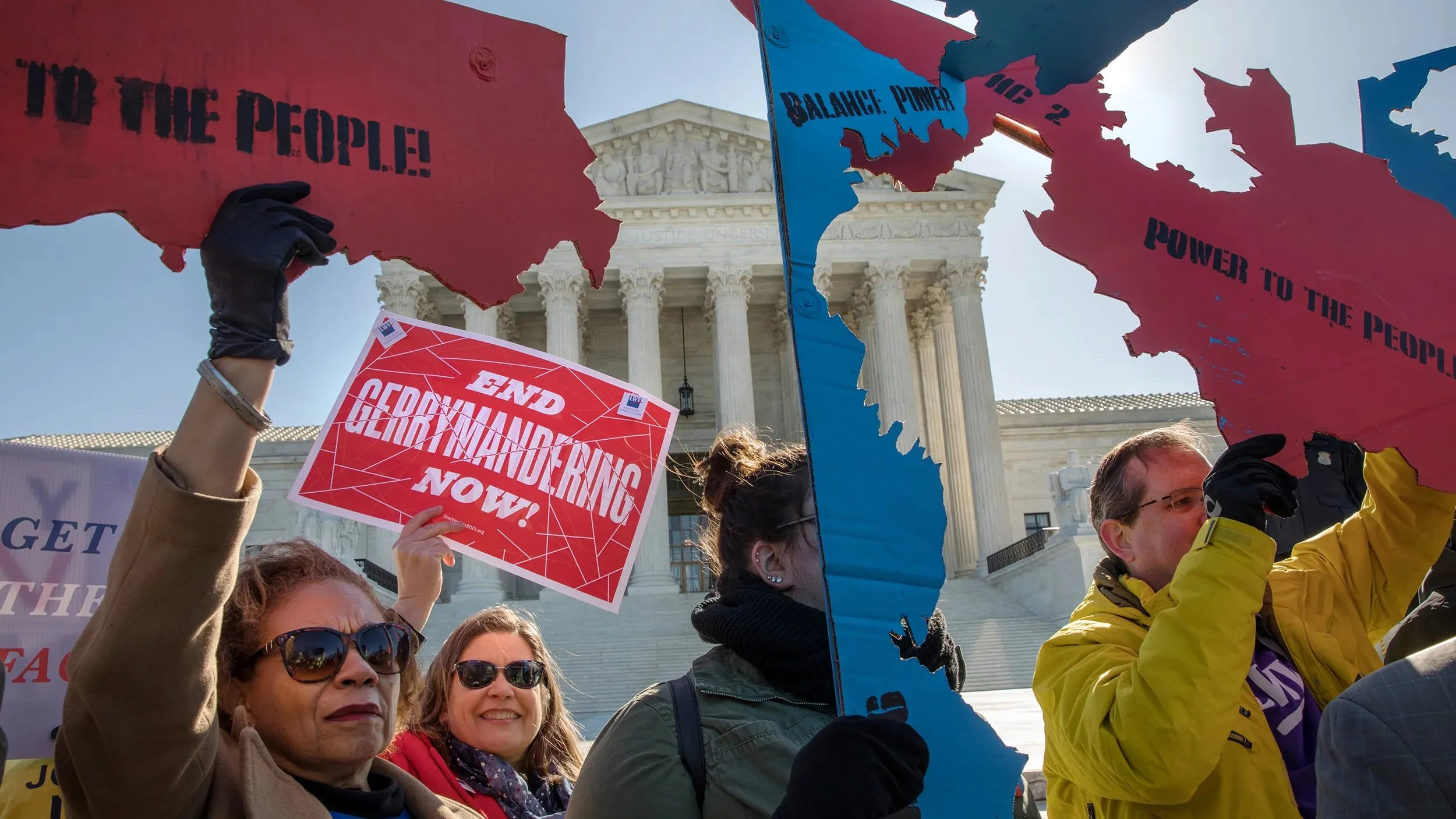
Coloring Outside the Lines: The Power Play of Gerrymandering in Nevada
American politicians are always looking towards the next election: how to best serve their constituents, how to enact positive change, and how to keep their positions of power. One method of maintaining political power that has become increasingly more prevalent is the practice of gerrymandering. Gerrymandering can be defined as the manipulation of electoral boundaries in order to favor one group. Two types of gerrymandering are cracking and packing. Cracking divides groups with similar characteristics to limit voting power, while packing draws certain groups of voters into the smallest number of districts as possible in order to strengthen one group’s voting power and weaken another. Voter suppression entails minimizing a group of people’s voting representation to benefit another group. As such, gerrymandering would be classified as voter suppression, and the ramifications go beyond political party lines. Unfairly manipulating elections for a certain outcome is both undemocratic and unconstitutional, so the quickest way to prevent gerrymandering would be in the courts…
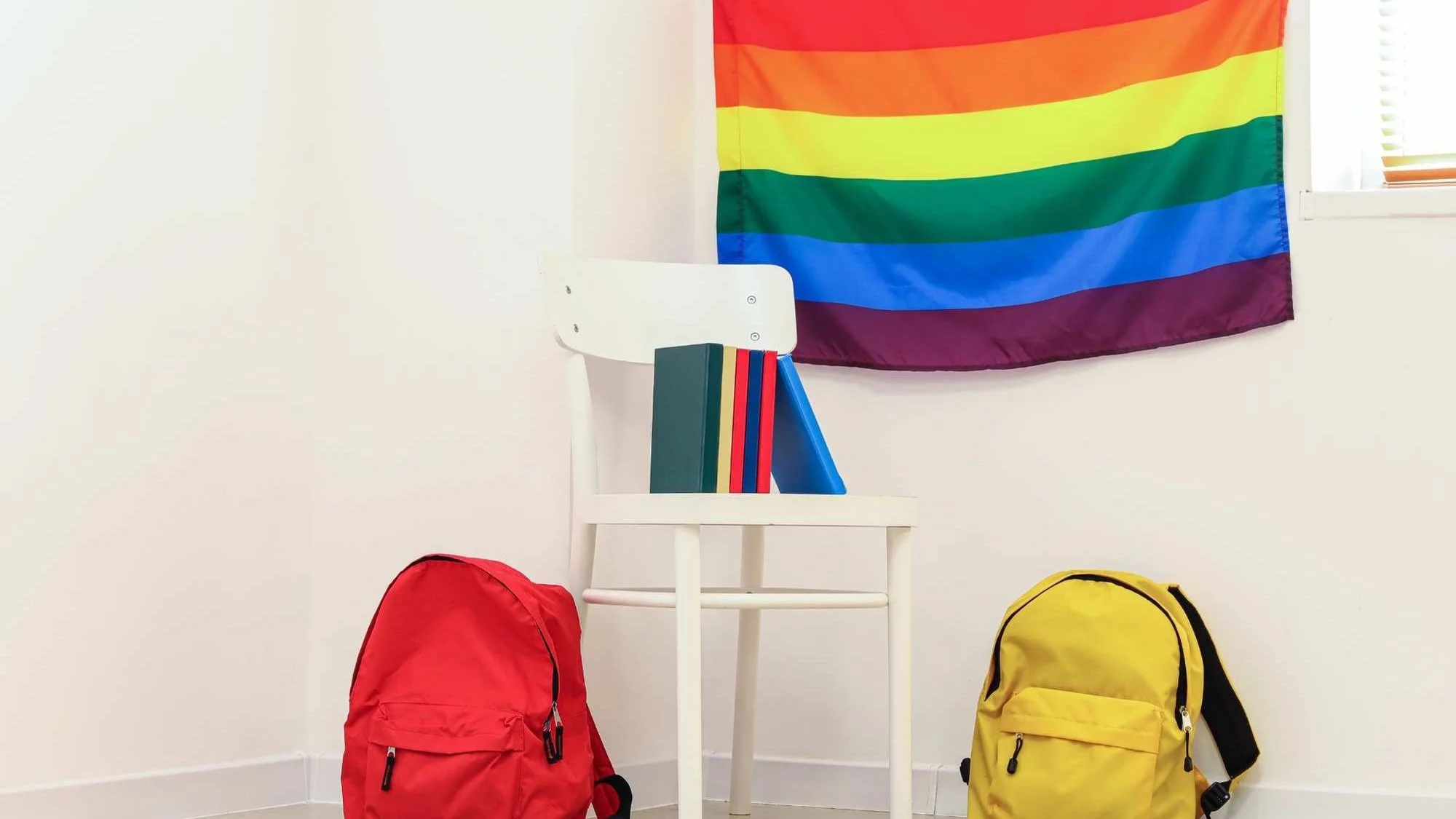
Saying ‘Gay’: Out of Class or Out of Mind?
In March of 2022, Florida’s governor Ron DeSantis signed a bill called the “Parental Rights in Education” bill, formally titled HB 1557. Opponents of the bill have nicknamed it the “Don’t Say Gay” bill. The bill reads “Classroom instruction by school personnel or third parties on sexual orientation or gender identity may not occur in kindergarten through grade 3 or in a manner that is not age-appropriate or developmentally appropriate for students in accordance with state standards.” Essentially, the bill intends to prohibit classroom discussion on sexual orientation and gender identity for this age group, as many lawmakers and parents believe it is inappropriate. The bill allows for parents to sue a school district if they violate this policy or are believed to violate it. HB 1557 goes into effect on July 1st, 2022…
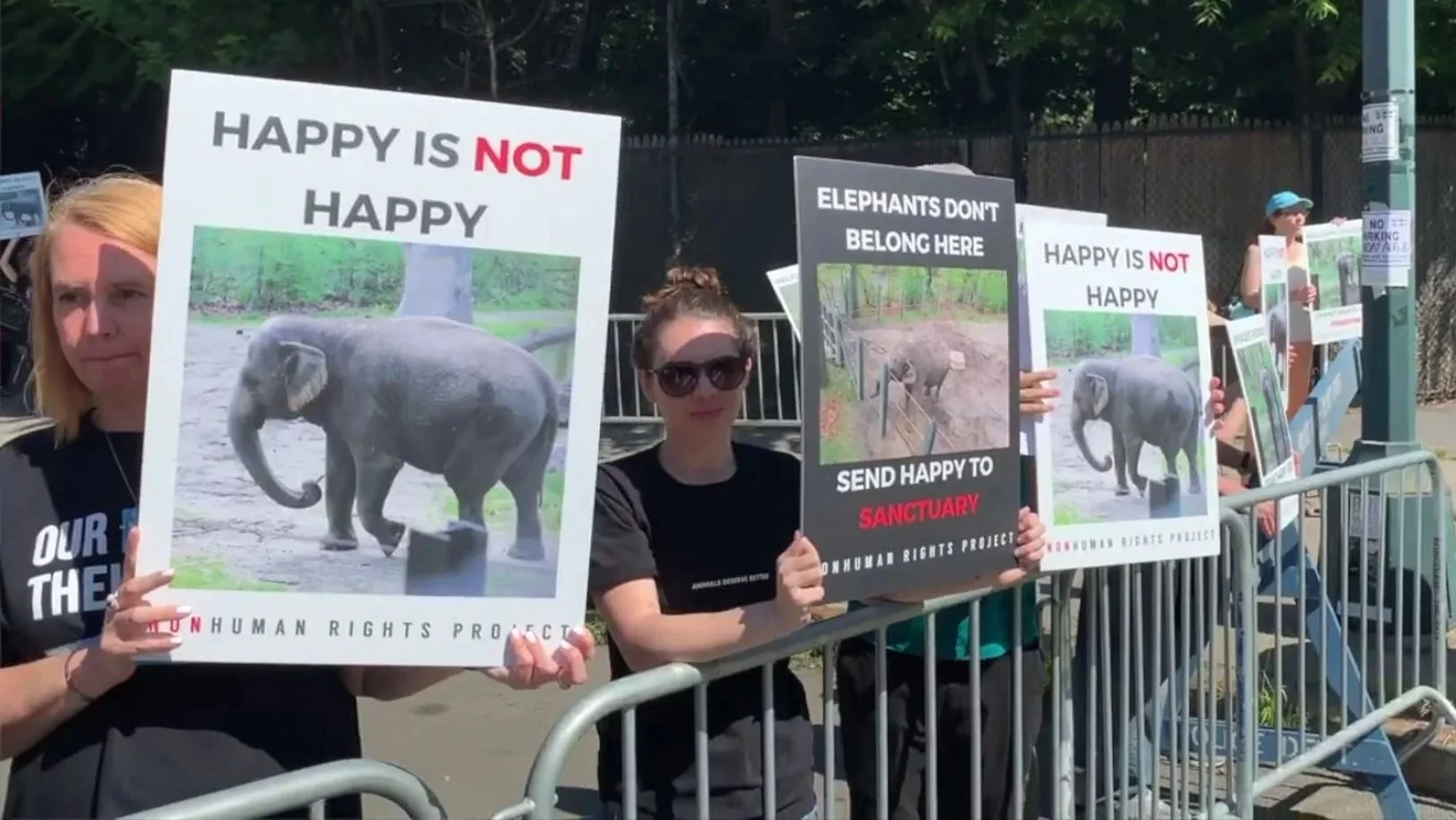
The Legal Rights of the Elephant in the Room
It is not a stretch to say that non-human animals (NhAs) hold a special place in many people’s hearts. People find comfort, love, and entertainment from their interactions with NhAs. Though, it is mainly with the interactions with NhAs that animal rights activists take issue with. Many groups, such as the Non-human Rights Project (NhRP), find that the exploitation and imprisonment of animals do not allow a full realization of the right to habeas corpus, or bodily liberty, to beings with the same or similar mental capacities as humans. Animal rights activists argue that animals think and feel like humans and are entitled to personhood rights, such as the right to free movement. The NhRP, the main animal rights group in this article, is attempting to argue that animals with the similar mental capabilities as humans ought to have the same rights as humans due to that mental similarity…
Correcting Course: Re-Evaluating the Admission of 18 U.S.C § 922(g)(1) Convictions under FRE 609(a)
Federal Rule of Evidence 609(a) governs the use of a prior criminal conviction to attack a witness’s credibility. In general, evidence of a prior felony “must be admitted, subject to Rule 403, in a civil case or in a criminal case in which the witness [being impeached] is not a defendant,” and “must be admitted in a criminal case in which the witness [being impeached] is a defendant, if the probative value of the evidence outweighs its prejudicial effect to that defendant.”[1] Rule 609(a) also provides that, regardless of whether a prior conviction was a misdemeanor or a felony, the conviction “must be admitted if the court can readily determine that establishing the elements of the crime required proving — or the witness admitting — a dishonest act or false statement.”[2] If the prior conviction does not meet those criteria, then the conviction may not be admitted under this Rule…
Weeding Out the Complications of American Marijuana Legislation
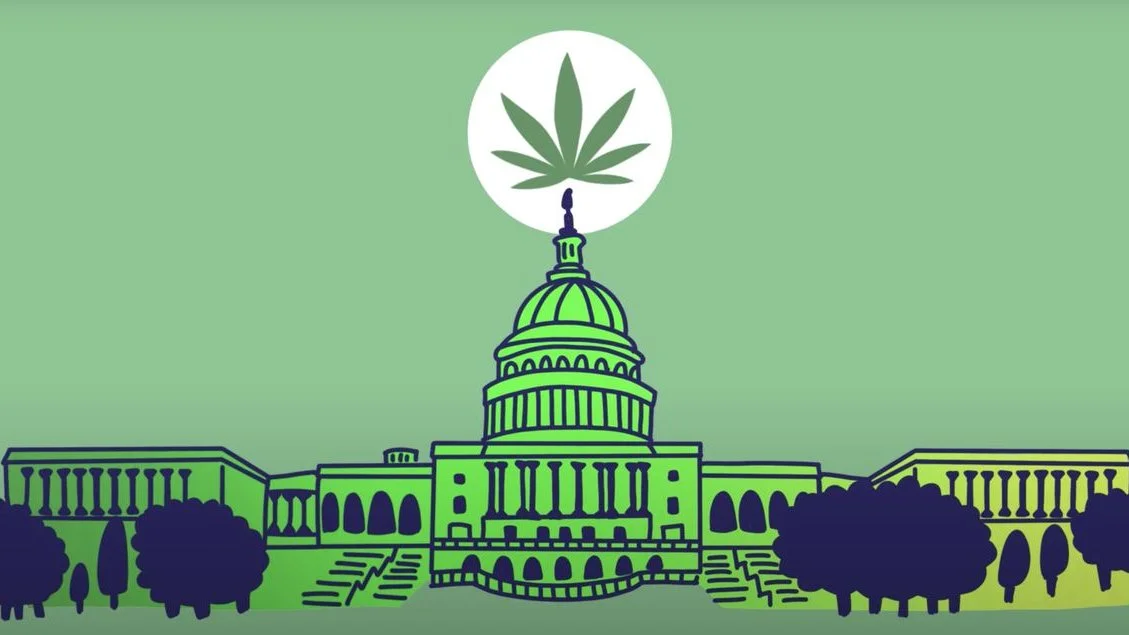
It's no secret that marijuana has had a complicated past in the United States. In 1971, the federal government officially waged a “war on drugs,” passing the Controlled Substance Act (CSA), which criminalized marijuana. This was a reaction to the heightened use of drugs in the 1960s, which then-president Nixon considered “public enemy #1.” However, marijuana has now been highly accepted into our everyday lives, as 18 states have officially legalized cannabis for recreational use and even more for medicinal purposes. While it is legal to possess marijuana in these states, the federal government still classifies marijuana as an illegal substance. This raises the question: how can state laws legalize something that the federal government deems illegal?…
International Law and Regulations on Ocean Pollution
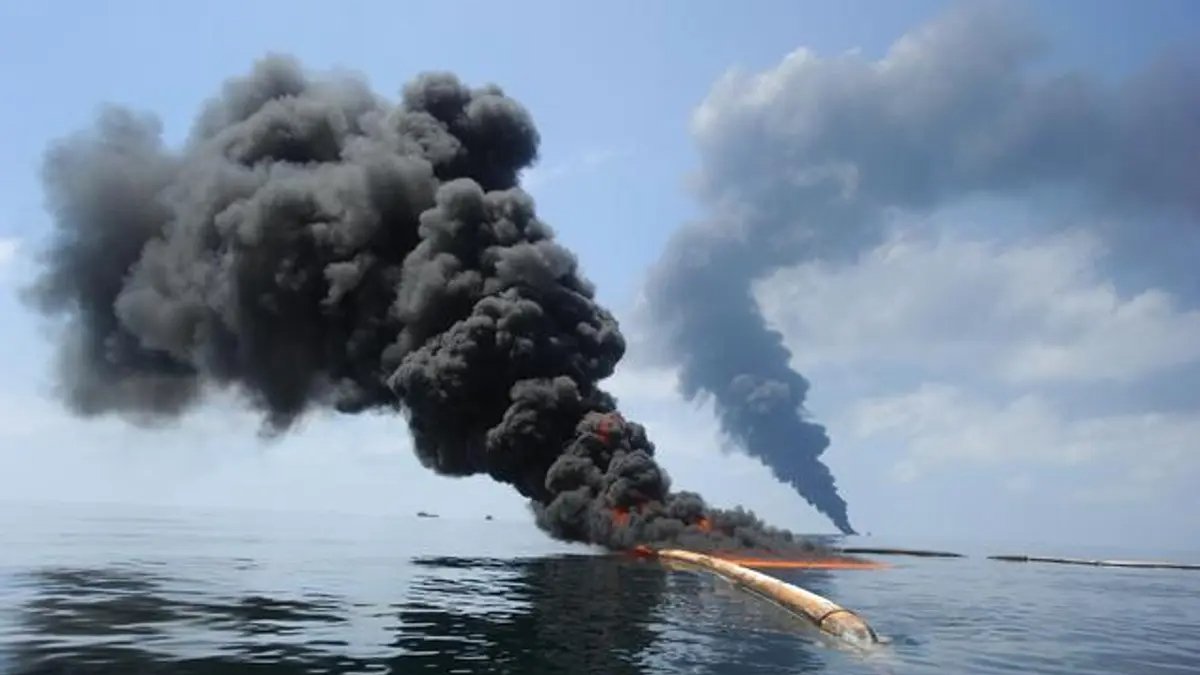
It is no secret that ocean pollution is worsening and causing detrimental issues around the world, both environmentally and economically. According to Dr. Philip Landrigan, the director of Boston College’s Global Public Health and the Common Good Program, “people have heard about plastic pollution in the oceans, but that is only part of it. Research shows the oceans are being fouled by a complex stew of toxins including mercury, pesticides, industrial chemicals, petroleum wastes, agricultural runoff, and manufactured chemicals embedded in plastic.” This raises the question: if oil pollution is so harmful, what types of legal measurements are in place to protect the environment? In an attempt to tackle ocean pollution, there have been different international regulations set in place by the United Nations Convention on the Law of the Sea (UNCLOS) and National Oceanic and Atmospheric Administration (NOAA) to prevent the irresponsible discarding of waste into oceans. However, there remain gaps in these regulations, which allow continued damage to the ocean at the hands of major oil companies and national governments.