
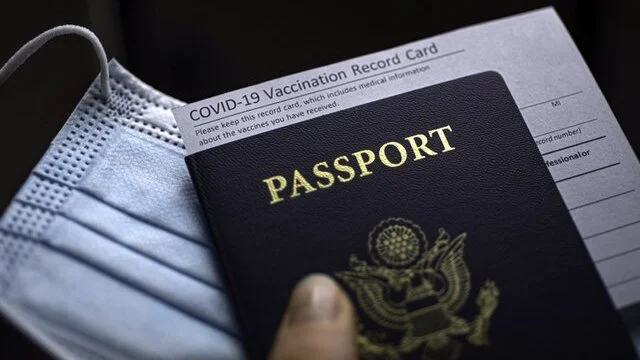
The Legality of Vaccine Passports
After COVID-19 put the world on pause over the past year, vaccines have felt like the light at the end of the tunnel. With increasing vaccination availability to all members of the public 16 and older in the United States, the idea of “vaccine passports'' has been introduced by numerous states. It is proposed that proof of both doses should become a passport of sorts, used as a way to shop at individual businesses, book a flight, or be admitted at border patrol. Although the intention is to promote safety amongst Americans, there is still the issue of whether these deemed “vaccine passports” violate the law. The legality of vaccine passports has been a contentious topic in regard to HIPAA laws, third-party regulation issues, and precedent rulings…
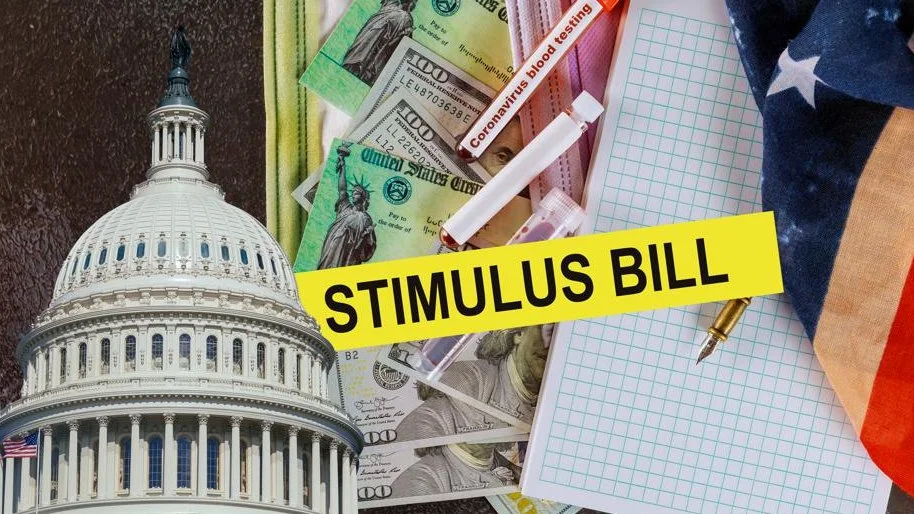
The $1.9 Trillion Stimulus Package: A Rescue Plan or a State Sovereignty Attack?
From a new wave of stimulus checks to an injunctive complaint sued by several states over its tax provision, the $1.9 trillion stimulus package signed into law by President Joe Biden has a myriad of support but is also being countered by critics. More than a year after the initial COVID-19 outbreak and its various state-mandated lockdowns, the country and its economy as a whole has dramatically suffered. To alleviate this dilemma, the 117th Congress has successfully passed H.R.1319, or more popularly known as the “American Rescue Plan Act.” It has a monumental price tag of 1.9 trillion dollars that encompasses over 50 discrete provisions. It is one of the largest economic rescue packages in US history, even though it was only passed with Democratic Party members’ votes. Opponents to this legislation argue that it intrudes state sovereignty, which is the power of a state to act within its federalist rights and to govern itself. Biden defends it by explaining that, “This historic legislation is about rebuilding the backbone of this country and giving people in this nation — working people, middle-class folks, people who built the country — a fighting chance.” Altogether, the American Rescue Plan Act aims to perpetuate a boost in economic growth, extend economic impact payments, improve financing for COVID-19 testing and vaccination programs, and impose a tax mandate on states to adhere within the confines of the legislation. Nonetheless, there are questions and grievances against the legality of the act, as some states have brought charges to the judicial branch in regards to its invasion of state sovereignty…
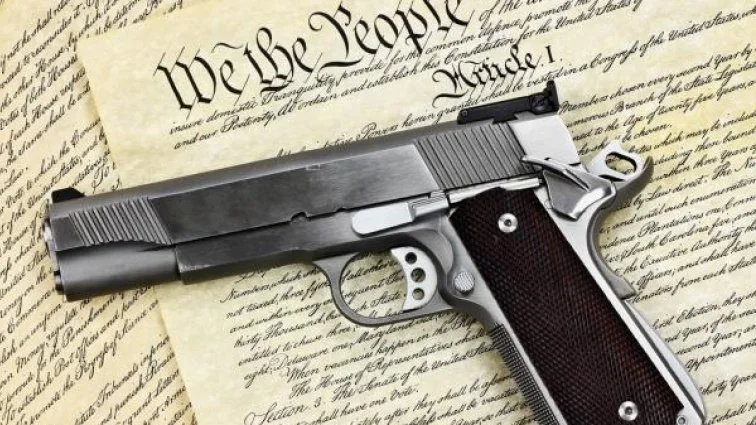
The Constitutionality of Gun Reform Laws
Gun control is among one of the most controversial issues in America. The majority of the debate centers around if gun regulations impede an individual's right to bear arms, which is protected by the US Constitution. Specifically, the Second Amendment states, “a well regulated Militia, being necessary to the security of a free State, the right of the people to keep and bear Arms, shall not be infringed.” Originally, the purpose of the amendment was to prevent the United States from needing a standing army in hopes of the people being able to protect themselves. The implicit interpretations of this amendment consist of two main arguments. The first perspective offers the explanation that a “well regulated militia” is merely in regards to organized groups having the right to bear arms. In opposition, some believe citizens should be allowed to bear arms without any federal restriction. Nonetheless, much of the passed gun control legislation has been deemed constitutional under the Second Amendment. Since the Second Amendment has been interpreted in different ways, understanding the history of gun reform– as well as its constitutionality– can allow for more productive discourse to occur and make way for larger change on a federal level…

Defamation vs. Hyperbole
For many years, the media has enjoyed a broad definition where the applicability of Freedom of Speech is concerned, but Freedom of Speech does have its limitations. When Freedom of Speech is abused, defamation is the key to addressing false statements. The elements required to prove defamation may vary, but generally consist of four elements discussed below. The burden of proof is different for public figures and private individuals. Journalists and broadcasters, like Fox News, open themselves to defamation lawsuits by making reckless statements. This article will explore the lawsuits filed by Smartmatic and Dominion against Fox Corporation, Sidney Powell, Rudy Giuliani, and several Fox correspondents in the wake of the triumph by Fox in the lawsuit filed by Karen McDougal. The outcome of the Smartmatic and Dominion lawsuits will likely impact the way journalists and broadcasters present news that may overreach the limits of truth or hyperbole…

Voter Suppression in 2020
In the United States, voting is not a privilege, it is a right. However, there have been violent tactics used in the past that consequently hindered many Americans’ votes. Although the Constitution did not initially include voting rights for all, Section 2 of the Twenty-Sixth Amendment states that “The right of citizens of the United States, who are eighteen years of age or older, to vote shall not be denied or abridged by the United States or by any State on account of age.” While this was a step in the right direction, as society progresses, new contemporary oppressions must be addressed. Nevertheless, the federal government tried to handle the de jure, or in law, oppressions by adding the Fifteenth Amendment in 1870, Nineteenth Amendment in 1920, and Twenty-Sixth Amendment in 1971. Yet these amendments did not halt the de facto, or in actual practice, tactics used to obstruct voting within the country seen in the 2020 election…
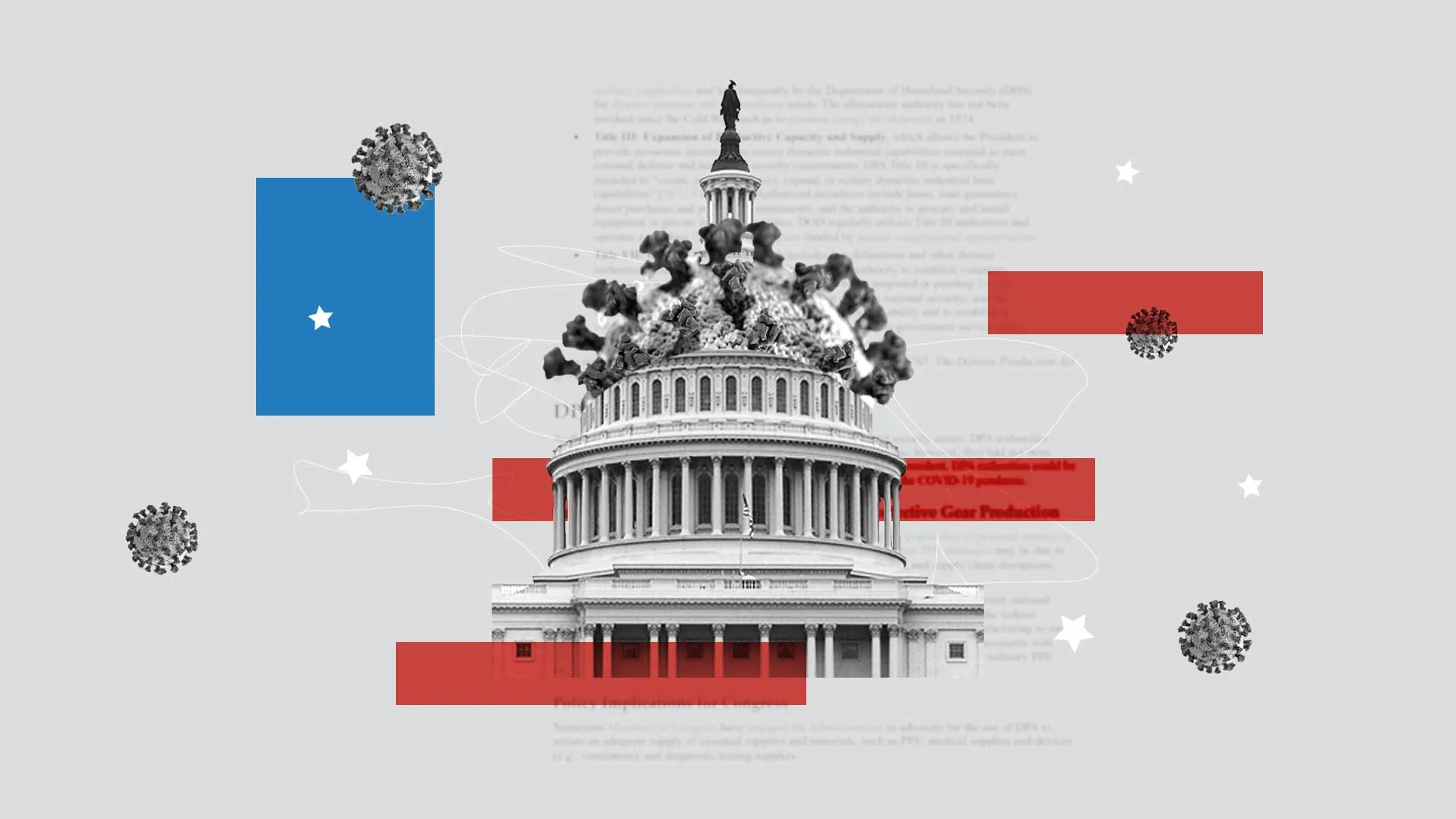
How Biden’s Plan to “Beat” COVID-19 Compares to Trump’s Previous Strategy
From issuing a nationwide mask mandate to investing $25 billion in vaccine manufacturing and distribution, President Biden’s plan to mitigate the crisis of the novel Coronavirus pandemic appears to make the federal government more active, or intrusive, compared to his predecessor Donald Trump’s approach. The new presidency strives to undo what they deem as Trump’s shortcomings when handling the pandemic. Altogether, the Biden strategy to beat COVID-19 revolves around seven distinct points to get the United States back on its feet. The plan displays intuitive strengths of diverting attention and resources to aid minority communities, uniting the nation under a single course of action, and increasing funding for future vaccines. Nonetheless, it also bears potential weaknesses as it lacks specificity and appears to hold some false promises…
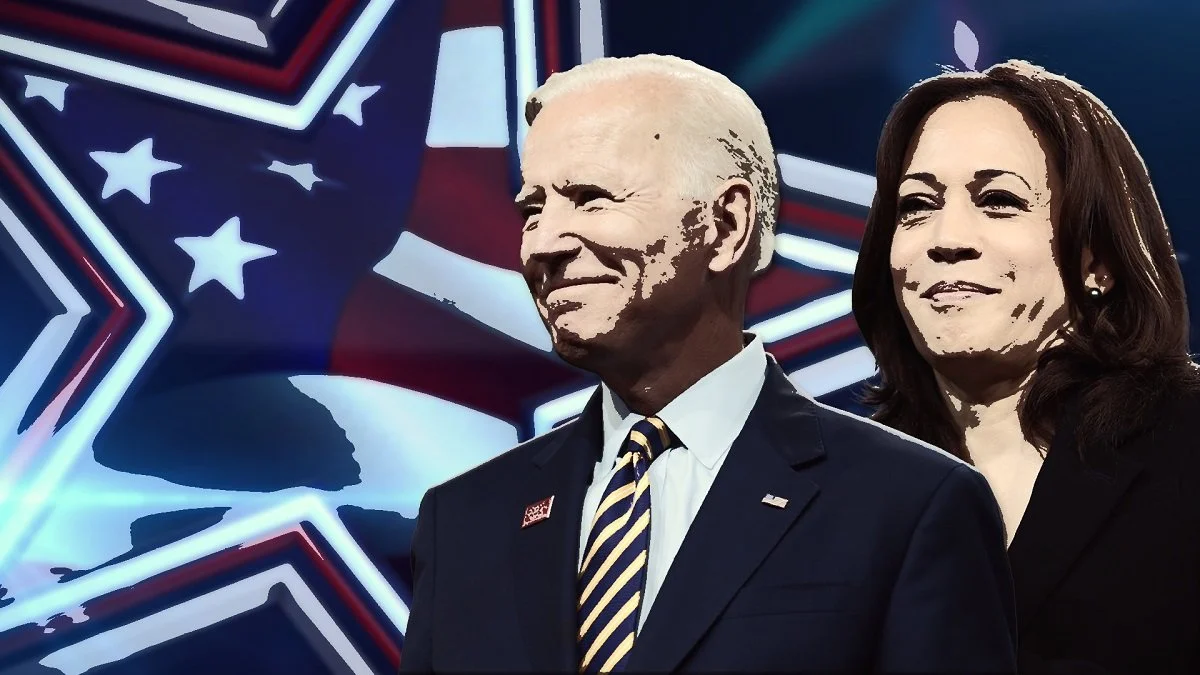
The Biden Presidency: A New Hope for Immigrants?
America: the land of opportunity. Immigration has been the foundational stone for the United States of America since its establishment. For the past few decades, immigration has not only been on the rise, but it has also become one of the focal points of American society, welfare, and politics. The United States was built, in part, by immigrants, and the nation has long been the beneficiary of the new energy and ingenuity that immigrants bring. Today, one in seven of the nation’s residents are foreign-born, while one in eight residents is a native-born U.S. citizen with at least one immigrant parent. Although the Statue of Liberty, one of the premier symbols of the United States, welcomes “your tired, your poor, your huddled masses yearning to breathe free,” America’s relationship with its immigrants has long been complicated…
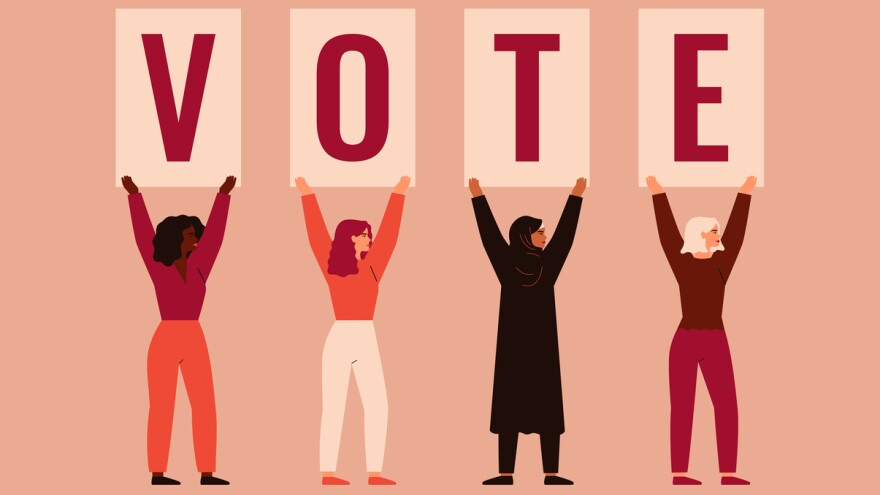
The Power of the Youth Vote
At the cusp of a historic presidential election, the push for voter turnout across the U.S. holds clear prominence as the looming decision approaches. Yet one factor could make all the difference: the youth vote. Young people, ages ranging from 18 to 24 years old, have made a consistent decline in voting rates in the past. According to the U.S. Census Bureau, young adult voting rates dropped to as low as 32.4% in the 1996 presidential election. To put it into perspective, voter turnout just two years ago in 2018 was at a high 66.1% for voters aged 65 and up. So how is this election, and all elections both local and federal, going to play out any different from here on out?…
Section 230: The Idea of Communication Decency
In late May of 2020, President Donald Trump went on Twitter to air his thoughts about the current events of the day. He decided to focus on mail-in voting, which was a major topic of discussion as the country dealt with the peak of the COVID-19 pandemic. In his tweets, he claimed that mail-in ballots would be rife with fraud, with forged signatures and fake ballots being printed as examples of alleged fraudulent behavior. However, President Trump made these claims about mail-in ballots without any kind of evidence. So, in order to stop disinformation from swaying the general public, Twitter placed a warning on those tweets, providing a link to facts about mail-in voting that stand in stark contrast to the president’s claims. As a result, President Trump signed an executive order as retaliation regarding Section 230 and the safeguards social media companies receive under the provision…